Case Study & Conversation
Case-23A: Motivation Deficit and Goal Setting & Striving Dysfunction
Correspondent : Tanay Dutta
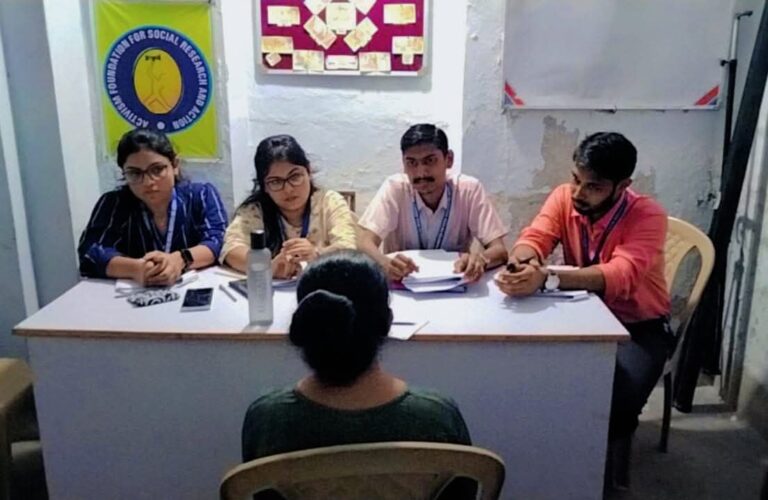
Case 23A does not represent a mere psychological condition of anxiety or stress; rather, it reflects a functional problem emerging within a specific relational and action-context.
The visible issue appears to be the brother’s lack of concentration and declining academic engagement. However, the core problem is not simply “poor memory,” “inattention,” or “incapacity.” Based on the propositions (especially on Responding Aptitude & Functionality. The central issue is a Motivational Deficit rooted in goal-setting dysfunction, leading to withdrawal-related dysfunctionality.
At the functional level, the brother lacks Direction/Activation and Achievement Motivation, meaning that he does not possess a clearly internalized academic goal nor a sustained striving process toward it. This is not merely a mental state but a dysfunction in the goal setting and goal-striving process, which constitutes the main functional architecture of his academic action.
Simultaneously, Case 23A (the sister) has gradually assumed an obligation-based caregiving role. Her persistent supervision and corrective pressure have unintentionally reinforced dependency rather than autonomy. Over time, this has created relational dysfunctionality: the brother studies under pressure but withdraws in its absence. The interaction pattern itself becomes the site of dysfunction.
Thus, the case must be understood through the Interaction–Interpretation–Intervention cycle. The sister’s interpretation, that the problem lies in incapacity, bad peers, or absence of supervision, shapes her responding aptitude. This responding aptitude (intensive supervision, anxiety-driven involvement, search for external agency) does not address the core functional deficit. Hence, both parties remain trapped in a cycle of partial activation and repeated withdrawal.
This case illustrates how intervention-oriented social research can respond to everyday suffering without collapsing it into intrapsychic pathology or pushing it upward into distant, abstract structural explanations. What mattered here was careful work on interaction patterns, responding aptitude, and everyday praxis; the ordinary ways a life is lived and handled. Case 19B suggests that functional autonomy does not arrive through insight alone, but is slowly built through situated engagement with people, routines, and responsibilities. In that sense, the case shows how Active Social Science moves beyond interpretation toward transformation, bringing social research back into conversation with the practical pressures and choices of everyday life.
The real functional problem lies in:
Achievement Motivation Deficit
Direction/Activation failure
Goal setting & goal-striving dysfunction
Emerging withdrawal dysfunctionality
Inadequate responding aptitude within the caregiving interaction
From the standpoint of functionality, the solution is not counselling alone but reconstruction of functioning. According to the study, the intervention requires:
1. Clear and self-determined goal setting, aligned with the brother’s genuine interest (e.g., technical/electrical inclination).2. Creation of organized goal-setting procedures (action plans, feedback on a weekly basis).
3. Optimizing achievement motivation: incremental gains on what one can do and realistic assessment.
4. Shifting from pressure-based interaction to dialogic, non-biased engagement.
5. Alternative praxis: book-reading habit formation, creative engagement in technical fields, structured extracurricular participation.
6. Environmental restructuring to enhance autonomous functioning.
Simultaneously, Case 23A must adapt her response-competence-bias i.e. she must move from obligation-driven response mode toward reflective engagement. Her role is not to replace the brother’s function but to facilitate his independent functionality.Thus, the case is fundamentally a Functional Problem of Motivational Architecture within a relational context, not a mere psychological disturbance. The intervention consists in developing the level of functionality through appropriate responding aptitude, alternative praxis, and engagement.
ReferenceAbernethy, B., Hanrahan, S. J., Kippers, V., Mackinnon, L. T., & Pandy, M. G. (2005). The biophysical foundations of human movement (2nd ed.). Champaign, IL: Human Kinetics.
Amabile, T. M. (1996). Creativity in context: Update to the social psychology of creativity. Boulder, CO: Westview Press. Atkinson, J. W. (1964). An introduction to motivation. New York, NY: Van Nostrand. Bandura, A. (1997). Self-efficacy: The exercise of control. New York, NY: W. H. Freeman. Deci, E. L., & Ryan, R. M. (1985). Intrinsic motivation and self-determination in human behavior. New York, NY: Springer. Dörnyei, Z., Henry, A., & Muir, C. (2015). Motivational currents in language learning: Frameworks for focused interventions. New York, NY: Routledge. Dweck, C. S. (2006). Mindset: The new psychology of success. New York, NY: Random House. Fiske, S. T., Gilbert, D. T., & Lindzey, G. (Eds.). (2010). Handbook of social psychology (5th ed.). Hoboken, NJ: John Wiley & Sons. Franken, R. E. (2002). Human motivation (5th ed.). Belmont, CA: Wadsworth/Thomson Learning. Jha, S., & Roy, T. (2024). Case 23/A: Motivation deficit and goal-setting & striving dysfunction (Unpublished propositions). Kolkata, India: Activism Foundation for Social Research & Action.Kanfer, R., Chen, G., & Pritchard, R. D. (Eds.). (2008). Work motivation: Past, present and future. New York, NY: Routledge. Kluger, A. N., & DeNisi, A. (1998). Feedback interventions: Toward the understanding of a double-edged sword. Current Directions in Psychological Science, 7(3), 67–72. Lewin, K. (1936). Principles of topological psychology. New York, NY: McGraw-Hill.Locke, E. A., & Latham, G. P. (1990). A theory of goal setting and task performance. Englewood Cliffs, NJ: Prentice Hall.Maslow, A. H. (1954). Motivation and personality. New York, NY: Harper & Row. McClelland, D. C. (1961). The achieving society. Princeton, NJ: D. Van Nostrand.Reeve, J. (2009). Understanding motivation and emotion (5th ed.). Hoboken, NJ: John Wiley & Sons. Silverthorne, C. P. (2005). Organizational psychology in cross-cultural perspective. New York, NY: New York University Press.Tillema, H. (2010). Formative assessment in teacher education and teacher professional development. In P. Peterson, E. Baker, & B. McGaw (Eds.), International encyclopedia of education (3rd ed., pp. 563–571). Oxford, UK: Elsevier.Weiner, I. B., Schmitt, N. W., & Highhouse, S. (Eds.). (2012). Handbook of psychology: Industrial and organizational psychology (2nd ed., Vol. 12). Hoboken, NJ: John Wiley & Sons.Case 20A: Parenting Deficit & Functional Discipline
Correspondent : Nilanjana Bhattacharya
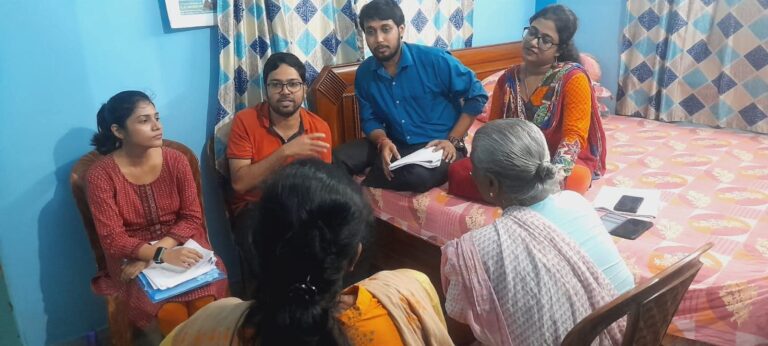
Case 20A concerns an adolescent boy whose everyday life at home had gradually become marked by conflict, mistrust, and emotional distance. The mother initially described him as disobedient, careless about studies, and difficult to manage. She tended to explain these difficulties either as part of the child’s nature or as the result of being overly indulged by the grandmother. What remained largely unseen at first was that the problem did not lie within the child alone, but in a pattern of everyday functioning shaped through repeated interaction.
From the standpoint of Active Social Science, this case is best understood as a functional problem, not a psychological or behavioural disorder. The difficulty emerged from how responses were being produced, interpreted, and reinforced within the mother–child relationship. Parenting was largely guided by a fatalistic and authoritarian understanding of discipline. Scolding, punishment, withholding affection and public humiliation were the standard tools, rooted in the belief that the child would function properly only under strict external control.
Over time, these practices deeply affected the child’s responding aptitude, the learned way of handling authority, instruction, uncertainty, and expectation. Rather than developing self-discipline, the child became increasingly reactive, withdrawn, or superficially compliant. Experienced as disobedience or laziness, they were in fact a workable reaction to an environment ruled by control and mistrust. As punishment escalated, the child's internal self-regulation capacity diminished even more.
This interactional cycle produced growing dysfunctionality. Academic routines collapsed, communication broke down, and emotional distance widened between mother and son. Importantly, the analysis did not frame this as a failure of care or intention. The mother’s actions were driven by concern and exhaustion, yet they unintentionally narrowed the child’s functional space and reduced his capacity to respond constructively.
The intervention therefore required a clear shift away from behaviour correction toward restructuring everyday practice. Central to this shift was the introduction of alternative praxis, new ways of acting that could rebuild self-discipline as a functional capacity rather than an imposed rule. Punitive discipline was replaced with inductive discipline based on explanation, dialogue, and consistency. The child’s expressions were now not taken as defiance, but part of an interaction that required involvement not suppression.
In addition to that, alternative engagement was thoughtfully designed. Sports, especially cricket, in this context was not a reward or incentive on condition but an event that disciplined built physique and obligations were allowed to mature together. Habits of study were gradually reconstructed by establishing fixed daily periods, having shared time of study, and close companionship, especially that of the mother, with a minimum of correction or punishment. General criticism was retracted and focus instead concentrated on areas of strength and small improvements to self-esteem could be made every day.
At an institutional level, it was also clear that the current conditions at school were not promoting the child’s functionality. A change to a CBSE-affiliated school was suggested such that the balance tilted in favour of the extracurricular and co-curricular with academics, thus broadening the functional alternatives for the child.
The case ultimately shows that behavioural crises at the individual level cannot be resolved through punishment or counselling alone. They require a reworking of interaction, interpretation, and everyday practice. In this sense, Case 20A illustrates how Active Social Science intervenes not in the mind alone, but in the functioning of everyday life, where responsibility, agency, and discipline are slowly rebuilt through practice.ReferenceDuckworth, A. L. (2011). The significance of self-control. Proceedings of the National Academy of Sciences of the United States of America, 108(7), 2639–2640. https://doi.org/10.1073/pnas.1019725108
Duckworth, A. L., & Seligman, M. E. P. (2006). Self-discipline gives girls the edge: Gender in self-discipline, grades, and achievement test scores. Journal of Educational Psychology, 98(1), 198–208. Ebele, U. F., & Olofu, P. A. (2017). Study habit and its impact on secondary school students’ academic performance in biology in the Federal Capital Territory, Abuja. Educational Research and Reviews, 12(10), 583–588. Etzioni, A. (1993). The parenting deficit. London, England: Demos. Giles-Sims, J., & Lockhart, C. (2005). Culturally shaped patterns of disciplining children. Journal of Family Issues, 26(2), 196–218. Gökalp, Z. Ş. (2023). Examining the association between self-control and mental health among adolescents: The mediating role of resilience. School Psychology International. Advance online publication. Jha, S., & Roy, T. (2023). Case 20/A: Parenting deficit and dysfunctional discipline (Unpublished proposition). Kolkata, India: Activism Foundation for Social Research & Action. Kim, Y., Richards, J. S., & Oldehinkel, A. J. (2022). Self-control, mental health problems, and family functioning in adolescence and young adulthood: Between-person differences and within-person effects. Journal of Youth and Adolescence, 51, 1181–1195. Ogundele, M. O. (2018). Behavioural and emotional disorders in childhood: A brief overview for paediatricians. World Journal of Clinical Pediatrics, 7(1), 9–26.Santos, C. V. M. dos, Campana, N. T. C., & Gomes, I. C. (2019). Egalitarian parental care: Literature review and conceptual construction. Psicologia: Teoria e Pesquisa, 35, e353.UNICEF. (2021). The state of the world’s children 2021: On my mind – Promoting, protecting and caring for children’s mental health. New York, NY: UNICEF.World Health Organization. (2021, November 17). Adolescent mental health. Retrieved from https://www.who.int/news-room/fact-sheets/detail/adolescent-mental-healthCase 19D: Caregiver Stress & the Problem of Trade-off between Care & Self care
Correspondent : Sourav Bag
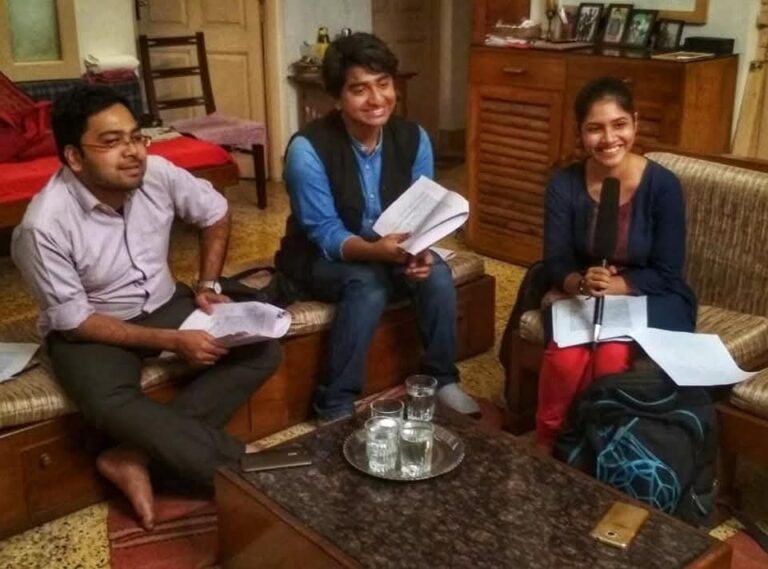
Case 19D is a retired professor who earlier lived in a joint family but now resides separately. Despite this separation, he has been the primary caregiver for his younger brother, who has been suffering from a long-standing mental illness. Over the years, this prolonged caregiving responsibility has generated anxiety, mental pressure, physical fatigue, and a sense of helplessness in the case. He reports feelings of exhaustion, irritability, occasional loss of mental balance, and depressive tendencies, which repeatedly disturb his everyday functioning. What evolved as a voluntary responsibility over the years has taken the shape of a compulsion dictated by situations. Though his wife is ‘always there for him emotionally’, the caring takes its toll on him day to day.
From a psychological or healthcare perspective, this is often referred to as Caregiver Stress Syndrome, Caregiver Burnout or Caregiver Burden. Previous studies define a caregiver stress as emotional, mental and physical exhaustion due to prolonged caring for a chronically ill person. Studies, including those published in psychiatric journals, suggest that a large proportion of informal caregivers across the world experience similar forms of stress. However, while such descriptions are useful at a symptomatic level, our research does not treat this case merely as a psychological problem requiring counselling or therapeutic correction.
Our study suggests that neither the brother’s illness nor the case’s emotional involvement alone can adequately explain the persistence of the problem. Instead, the core issue lies in the caregiving activity itself, more specifically, in the mode of functioning through which care and self-care are practiced. We identify this as a functional problem, not a problem of the mind alone. The difficulty arises from the inability to sustain a successful trade-off between caring for the brother and caring for oneself over time. In other words, the problem is rooted in functionality and dysfunctionality rather than pathology.
Although the case is relatively self-aware and conscious about self-care, unlike many caregivers, particularly women, who often neglect it, he continues to suffer. Our findings indicate that the reason lies in the pattern of self-care he follows in everyday life. While he is fairly strict about his discipline, routine and responsibility personally, but taking care of himself in limited parameters. Sharing, social interaction and communicative relief is not a common part of his daily practices. The build-up of pressure with no place to go means that the self becomes more, not less, constricted. This narrow bandwidth for self-care ultimately erodes resilience, feeds impatience and restlessness, and reduces the capacity to respond flexibly during crises.
From our perspective, this reflects a problem of responding aptitude, that is, a limited capacity to adapt responses during interaction with changing external situations, especially during sudden episodes of the brother’s illness. A mode of functioning that is effective in stable conditions becomes dysfunctional when confronted with unpredictable caregiving demands. The repeated failure to recalibrate responses converts responsibility into obligation and care into burden.
Accordingly, our intervention does not aim at psychological correction but at developing an alternative level of functionality. We argue that this functional problem can be addressed by cultivating substitute forms of functionality, improving responding aptitude, and developing appropriate praxis and engagement. Three interrelated interventions are emphasised.
First, the case needs to consciously overcome the ethical dilemma between self-care and care for the brother. Decisions must be taken without morally compromising self-care, and once taken, must be accepted without guilt. Second, behavioural flexibility is required. While discipline strengthens his personality, excessive rigidity limits adaptive response. Developing flexible behavioural strategies can help manage extraordinary caregiving situations without internal collapse. Third, we propose writing as an alternative praxis of self-care. Writing functions here not as therapy but as a mediating practice, allowing interaction, expression, and expansion of the self without forcing social exposure. As a sustained everyday engagement, it can release stress, widen the horizon of the self, and restore functional balance.
In brief, Case 19D serves to illustrate that the everyday ‘suffering’ out of depression or mental (caregiver’s) stress is often not attributable to psychological vulnerability alone but derives rather from functional contradictions built into daily life. In focusing on functions, rather than simple symptoms, this case demonstrates how Active Social Research can engage with everyday challenges in a way that is not simply interpretive but also transformative.
ReferenceBaier, A. (1994). Moral prejudices: Essays on ethics. Cambridge, MA: Harvard University Press.
Chadda, R. K. (2014). Caring for the family caregivers of persons with mental illness. Indian Journal of Psychiatry, 56(3), 221–227.https://doi.org/10.4103/0019-5545.140616 Engster, D. (2005). Rethinking care theory: The practice of caring and the obligation to care. Hypatia, 20(3), 50–74. https://doi.org/10.2979/HYP.2005.20.3.50 Fineman, M. A. (2004). The autonomous self: A theory of dependency. New York, NY: The New Press. Foucault, M. (1988). The care of the self: The history of sexuality, Volume 3 (R. Hurley, Trans.). New York, NY: Vintage Books. (Original work published 1984) Goodin, R. E. (1985). Protecting the vulnerable: A reanalysis of our social responsibilities. Chicago, IL: University of Chicago Press. Jha, S. (2018). Case 19D: Caregiver stress and the problem of trade-off between care and self-care (Unpublished Propositions). Kolkata, India: Activism Foundation for Social Research & Action. Kittay, E. F. (1999). Love’s labor: Essays on women, equality, and dependency. New York, NY: Routledge.Reiheld, A. (2015). Care and justice: A relational account. Feminist Philosophy Quarterly, 1(1), Article 3.https://doi.org/10.5206/fpq/2015.1.3Schulz, R., & Beach, S. R. (1999). Caregiving as a risk factor for mortality: The caregiver health effects study. JAMA, 282(23), 2215–2219. https://doi.org/10.1001/jama.282.23.2215Treudley, M. B. (1946). Mental illness and family routines. Mental Hygiene, 30, 235–249.Tronto, J. C. (1993). Moral boundaries: A political argument for an ethic of care. New York, NY: Routledge.Case 19B: Relational Distress and Emotional Loneliness
Correspondent : Subhabrata Sarkar

Case 19B traces a clear shift from sustained relational distress to an emerging capacity for intervening engagement, developed through what ACTIVISM defines as an Active Social Science approach. The case concerns a WBCS aspirant who was experiencing severe depression and emotional instability following a prolonged and humiliating romantic relationship. Importantly, the difficulty was not a lack of awareness. She understood the futility of the relationship and could articulate its damaging effects. Yet this understanding did not translate into exit or change. The persistent gap between knowing and acting marked the core of the problem.
ACTIVISM’s diagnostic intervention deliberately moved away from a narrowly psychological explanation centred on romantic failure or individual vulnerability. Instead, the case was approached as a functional problem grounded in emotional loneliness. This loneliness had a longer trajectory, shaped by the early loss of her mother, sustained emotional deprivation within the family, and the absence of a dependable sharing space. The romantic relationship did not really begin as the source of distress. Rather, it slowly came to function as a kind of holding space for emotional needs that had remained unmet elsewhere. As more and more of these expectations were placed on the relationship, it became heavier and more fragile at the same time. Dependence and possessiveness crept in, confidence quietly wore down, and the relationship slipped into a weary rhythm of rupture and reconciliation that kept returning, almost predictably.
Within this framework, a functional problem refers to a misalignment between purpose, interaction pattern, responding aptitude, and everyday praxis. In this case, the subject possessed ambition, insight, and motivation, yet her interactive–intervening pattern remained inconsistent with her life goals. Her ‘psychotherapy’ had served to educate her as to the nature of emotional states but left intact the organisation of her daily responses. What remained unchanged was how she interacted, interpreted situations, and structured everyday life around distress. The intervention therefore shifted attention from the mind alone to the functionality and dysfunctionality of lived responses.
A decisive shift occurred when the subject began to understand her suffering not as personal weakness but as a problem of functioning. This shift allowed her to reconsider how she usually responded to people and situations (Responding Aptitude), patterns she had long taken for granted. Gradually, she moved beyond seeing herself as alone in the world and began to recognise her place within a wider set of relationships. Even solitude changed its meaning: what once felt like abandonment came to be lived as a space of freedom, self-work, and intentional growth.
To translate this reorientation into practice, ACTIVISM recommended a set of alternative praxis and engagement strategies designed to realign purpose, interaction, and response. First, she was guided to reorganise her daily life around intensive WBCS preparation, treating career-building not as a coping strategy but as a core intervention. Second, she was encouraged to build an active circle of friends, moving away from seeking help toward relationships grounded in trust, reciprocity, and mutual support. Third, she was advised to join a regular collective—social, recreational, or service-oriented—to break emotional isolation through steady participation and shared engagement. Last, regular physical exercise was suggested—not as therapy but rather as a means to anchor psychological autonomy in bodily discipline and commitment.
This case illustrates how intervention-oriented social research can respond to everyday suffering without collapsing it into intrapsychic pathology or pushing it upward into distant, abstract structural explanations. What mattered here was careful work on interaction patterns, responding aptitude, and everyday praxis; the ordinary ways a life is lived and handled. Case 19B suggests that functional autonomy does not arrive through insight alone, but is slowly built through situated engagement with people, routines, and responsibilities. In that sense, the case shows how Active Social Science moves beyond interpretation toward transformation, bringing social research back into conversation with the practical pressures and choices of everyday life.
ReferenceAhmed, S. (2004). The cultural politics of emotion. Edinburgh, UK: Edinburgh University Press.
Ford, B. Q., Dmitrieva, J. O., Heller, D., Chentsova-Dutton, Y., & Grossmann, I. (2015). Culture shapes whether the pursuit of happiness predicts higher or lower well-being. Journal of Experimental Psychology: General, 144(6), 1053–1062. https://doi.org/10.1037/xge0000108 Hari, J. (2018). Lost connections: Uncovering the real causes of depression—and the unexpected solutions. London, UK: Bloomsbury Circus. Jha. S. (2019). Case 19B: Relational distress and emotional loneliness (Unpublished proposition). Kolkata, India: Activism Foundation for Social Research & Action. Long, C. R., & Averill, J. R. (2003). Solitude: An exploration of benefits of being alone. Journal for the Theory of Social Behaviour, 33(1), 21–44. https://doi.org/10.1111/1468-5914.00204 Rokach, A. (2004). Loneliness then and now: Reflections on social and emotional alienation in everyday life. Current Psychology, 23(1), 24–40. https://doi.org/10.1007/s12144-004-1006-8 Storr, A. (1989). Solitude: A return to the self. New York, NY: Ballantine Books. Weiss, R. S. (1973). Loneliness: The experience of emotional and social isolation. Cambridge, MA: MIT Press.Case 19A: Assessment Dysfunction & Relational Dysfunctionality
Correspondent : Indranil Paul
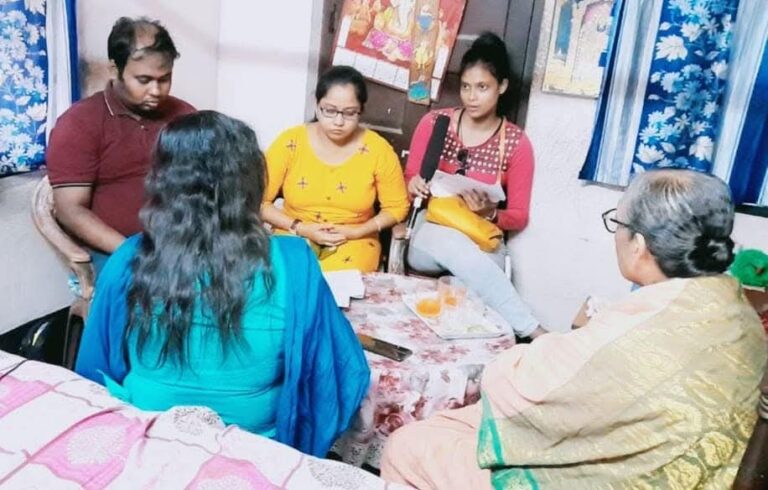
This is a story about an independent, financially secure and professionally accomplished woman who has endured continuous underestimation particularly from her mother. While she reports feelings of hurt, frustration, and at times depression, the core issue is not reducible to a psychological condition. Rather, the case reveals a functional problem; specifically, an assessment dysfunction embedded in her relational system of interaction.
At the centre of the case lies a dysfunctional pattern in the Interaction–Interpretation cycle. The client’s Responding Aptitude as is shaped by comparative assumptions (“Mother values my sister more”), conceptions (a settled idea of maternal bias), and a justificatory reasoning structure, produces a reactive mode of interaction. This reactive pattern does not merely affect communication; it structures how situations, words, and gestures are interpreted. Consequently, underestimation becomes not only something she experiences, but something functionally reproduced through her own mode of assessment.
Importantly, the dysfunction is not limited to self-assessment. The propositions show that errors operate simultaneously at three levels: self-assessment, assessment of others, and assessment of situations. The client often interprets present interactions through past experiences, thereby weakening situated interpretation, that is, interpretation that is positionally objective and context based. When past emotional memory becomes the primary interpretive frame, present functionality declines.
This is why the case must be understood as a functional problem rather than merely a psychological one. Depression and frustration appear as secondary outcomes of a deeper dysfunction in relational functioning. The issue lies not in “low self-esteem” alone, but in a patterned mode of engagement that reinforces misrecognition.
The propositions identify that in her personal sphere, particularly in the mother-centric relational system of praxis, dependency operates at both practical and emotional levels. Her mother functions as the centre of the relational system. This structure intensifies her sensitivity to evaluation. Therefore, any corrective intervention must go beyond emotional regulation and move toward restructuring the system of praxis itself.
Two major interventions are proposed:
First, at the level of Responding Aptitude and Skills, she must transition from reaction to response. This involves slowing emotional immediacy, practicing assertive (not aggressive) communication, suspending taken-for-granted assumptions, and engaging in reasoning that does not justify pre-formed conceptions. This recalibrates interactional functionality.
Second, at the level of Alternative Praxis, the centre of the relational system must gradually shift. While maintaining respect and responsibility toward her mother, she is encouraged to reduce one-sided dependency—both practical and emotional—and redistribute engagement toward other relational and public domains. This is not like neglect, but a kind of functional balancing. By increasing her own initiative, assuming greater responsibility in relational exchange, and expanding participation in broader social and creative spaces, she reconstructs her patterns of engagement.
The case ultimately suggests that when assessment dysfunction is corrected at the functional level, its effects radiate across relationships. Emotional distress diminishes not because one “thinks positively,” but because the architecture of interaction has changed. Thus, the transformation required is not merely psychological adjustment but the development of a more responsive, context-sensitive, and strategically engaged functional self.ReferenceBailey, J. A., II. (2003). The foundation of self-esteem. Journal of the National Medical Association, 95(5), 388–393.
Branden, N. (1995). The six pillars of self-esteem. New York, NY: Bantam. Brown, J. D. (1993). Self-esteem and self-evaluation: Feeling is believing. In J. Suls (Ed.), Psychological perspectives on the self (Vol. 4, pp. 27–58). Hillsdale, NJ: Lawrence Erlbaum Associates. Cherry, K. (n.d.). 11 signs of low self-esteem. Verywell Mind. Retrieved February 1, 2022, from https://www.verywellmind.com/signs-of-low-self-esteem-5185978 Cherry, K. (n.d.). Self-esteem: Influences, traits, and how to improve it. Verywell Mind. Retrieved January 14, 2022, from https://www.verywellmind.com/what-is-self-esteem-2795868 Eromo, T. L., & Levy, D. A. (2017). The rise, fall, and resurgence of “self-esteem”: A critique, reconceptualization, and recommendations. North American Journal of Psychology, 19(2), 255–302. Giles-Sims, J., & Lockhart, C. (2005). Culturally shaped patterns of disciplining children. Journal of Family Issues, 26(2), 196–218. Sigelman, C. K. (1999). Life-span human development (3rd ed.). Pacific Grove, CA: Brooks/Cole. Jha, S. (2022). Case 19A: Assessment dysfunction & relational dysfunctionality (Unpublished propositions). Kolkata, India: Activism Foundation for Social Research & Action.Case 18G: ADHD & The Problem of Accompany Deficit
Correspondent : Eshany Bala
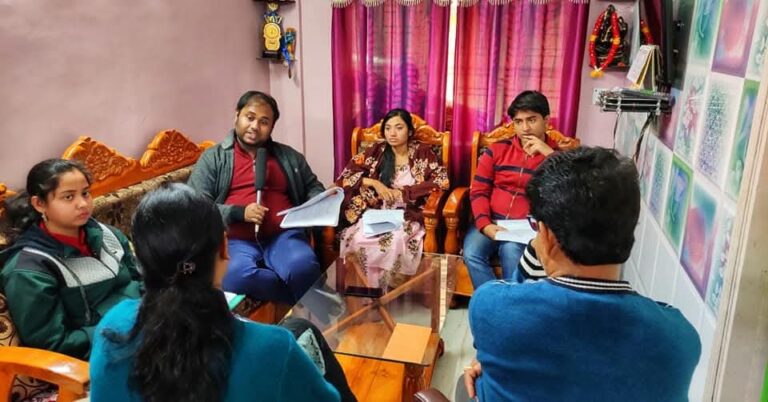
Case 18 (G) concerns a girl child whose everyday functioning is gradually going off balance. Difficulties with attention, restlessness, and emotional regulation are beginning to affect her learning and social engagement, not through a sudden crisis but through a slow disruption of her daily routines and relationships. The worries expressed by the parents at first, hyperactivity, impatience, inattention, stubbornness and deteriorating performance in school were clinically evaluated and correlated favourably with a high ADHD index. While this diagnosis offers a descriptive psychological classification, the present case analysis deliberately moves beyond a purely psychological framing to identify the problem as a functional problem rooted in everyday interaction and response patterns.
From a functional perspective, tension, restlessness, and inattention are not treated as pathological abnormalities of the mind. Rather, they are understood as ordinary responses under strain, which become problematic when they are repeatedly organized through unproductive patterns of interaction. In this case, the child’s difficulties are best understood as growing out of an accompany deficit, a long-standing absence of steady companionship and emotionally responsive engagement in her everyday relational world.
The case analysis shows that the child struggles most in everyday situations marked by uncertainty, irregular parental presence, and tightly planned routines. Even when adults are physically present, what seems to be missing is real connection, being listened to and emotionally engaged with, which quietly shapes how she copes and responds. This gap gradually shapes how the child makes sense of her world and how she reacts to it. Over time, these ways of interpreting and responding settle into a habitual responding aptitude, expressed through restlessness, oppositional behaviour, and difficulty in sustaining attention.
Here, responding aptitude points to the habitual ways a child learns to deal with uncertainty, pressure, and emotional insecurity through repeated everyday interactions. Her behaviour is not random or meaningless; it makes functional sense within the constraints of her environment. At the same time, tightly packed schedules, high parental expectations, and little room for free play deepen the problem, breaking her attention into pieces and leaving few chances to develop self-regulated, emotionally grounded engagement.
Crucially, the problem is not located within the child as a disorder, but between the child and her relational world. What we are seeing, then, is an interactive problem shaped by relationships and everyday contexts, rather than an intrapsychic condition located within her mind. The analysis therefore shifts responsibility from correction of behaviour to transformation of interaction. Drawing implicitly on the idea of communicative action, the case emphasizes the need for parents to recalibrate their mode of engagement—recognizing the child as an active participant rather than a passive recipient of instruction.
On this basis, the intervention strategy is framed as alternative praxis and engagement, not treatment. Four interconnected domains, exposure to limited and interest-based competition, compulsory play and sports, structured but relational study practices, and reduction of institutionalized extracurricular overload—are proposed not as techniques, but as functionally appropriate responses. These interventions aim to restore balance between structure and freedom, guidance and autonomy, presence and space.
When enacted together, these changes are expected to reorganize the child’s functionality by reshaping interactional patterns and enabling healthier responding aptitude to emerge over time. Improvement, within this framework, is not measured by symptom elimination alone but by enhanced everyday functioning, greater emotional stability, improved attention, and more meaningful engagement with learning and relationships.
Referencecs
American Psychiatric Association. (2013). Diagnostic and statistical manual of mental disorders (5th ed.). Arlington, VA: American Psychiatric Publishing.
Case-18E: Problem of Decontrol and Relationship Trouble
Correspondent : Tias Roy
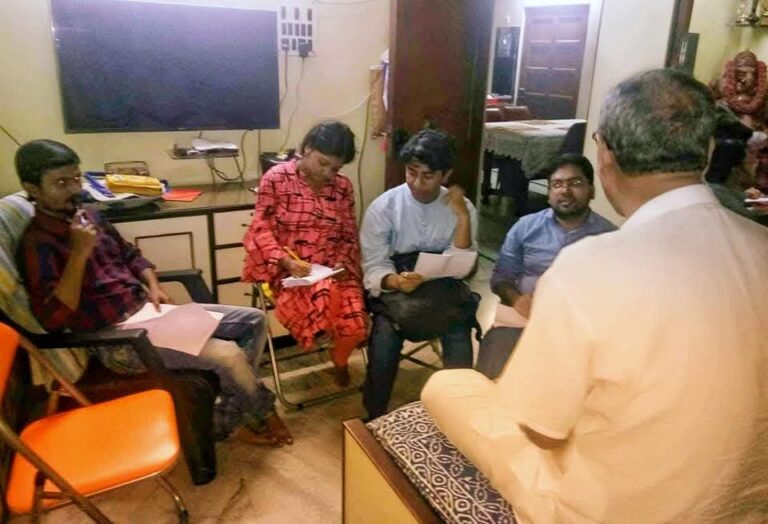
Case 18/E, a retired person, aged around 80, lives in Dumdum, Kolkata; contacted Activism mainly with two problems. On one hand, his second wife—who is extremely aggressive, over-possessive, and interfering—has made his life miserable. And, on the other hand, he himself, once who has some qualities like calmness, determination, and sound decision-making ability, is gradually losing these traits in his retired life and is becoming easily angered.
Despite trying hard to control his anger, he has not been successful. Even he took some initiative like practicing anger management, taking psychological therapy, but he failed to control himself. At the same time, he is unable to adjust to his wife's unexpected behaviours. As a result, he has become extremely helpless from all sides.
Through its research, Activism informed him that although he thinks his issues as two separate problems, they are actually two different manifestations of a single underlying problem of dysfunction—loss of control. Activism termed this functional problem as “Problem of decontrol”. The data suggests that although he was previously a socially and politically active person, after retirement he has withdrawn from everything and confined himself within his home. As a result, he has become a socially alienated person. And also, he is not participating in household work properly, so gradually he is alienating himself from home. On one hand, he has alienated himself from local clubs, friends, and politics, and, on the other hand, retirement from his job has led to a complete detachment from all kinds of institutions. This isolation has caused him to lose control over himself, and consequently, he is also unable to control his surrounding circumstances.
Activism informed him through its research, though he is applying several anger management techniques, his lack of self-control prevents him from reducing his anger. At the same time, because he has lost the ability to manage external situations, he is becoming disappointed by his wife's undesirable behaviour.
Based on its research, Activism has successfully enlightened him about appropriate responding aptitude and alternative praxis and engagement. And suggest him that first, reducing emotional expectations from his wife and prioritise biological and psychological necessity and rebuilding involvement within his family and later engaging with external institutional and social structures. By this practice, he can regain control over himself and ultimately, he will be able to free himself from all these problems.
ReferenceReference Jha, S. (2018). Case 18E: Problem of decontrol and relationship trouble (Unpublished Propositions). Kolkata, India: Activism Foundation for Social Research & Action.
Case 18C: Possessive Individuality and Disengagement
Correspondent : Poulami Ghosh
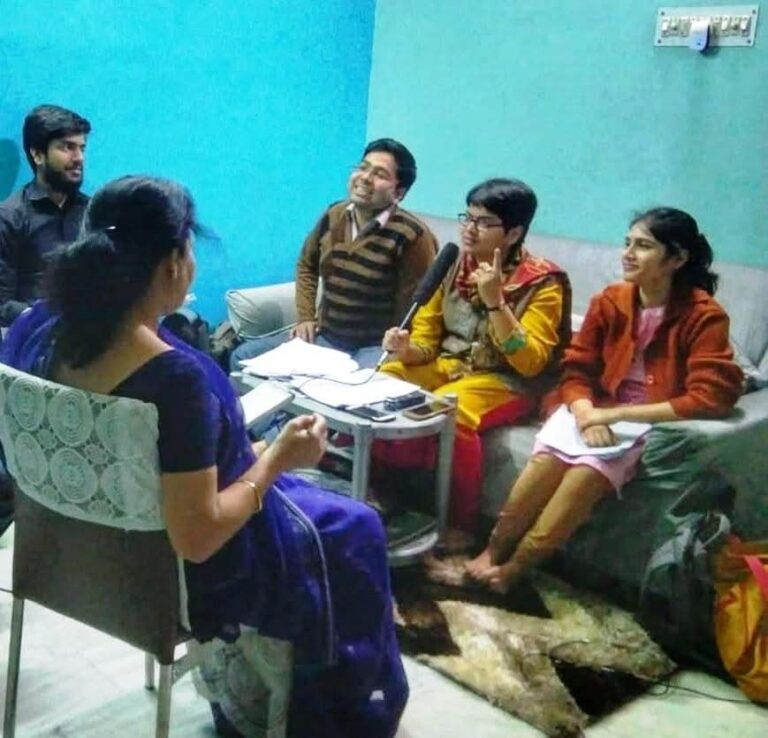
Case 18C concerns a highly educated woman whose everyday suffering cannot be adequately understood through a purely psychological or medical lens. Despite significant academic and creative capacities, her adult life became narrowly organised around domestic responsibility and intensive emotional investment in her son’s educational and career trajectory. Over time, this pattern of living produced chronic tension, anxiety, and associated physical conditions such as hypertension and diabetes. However, as demonstrated through phased qualitative interviews and functional analysis, these health concerns emerge not as primary problems but as secondary consequences of a deeper functional problem.
From an Active Social Science perspective, the case is interpreted through the concept of functional problem, understood as a contradiction in how responsibilities, attachments, and responses are organised and sustained in everyday life. In Case 18C, the core functional problem takes shape around two closely connected tendencies: possessive individuality and disengagement. Her life became increasingly centred on her son as the exclusive site of meaning, responsibility, and self-worth, while broader spheres of social interaction, recognition, and engagement were gradually withdrawn. This narrowing of life-worlds intensified her dependency on a single relational axis, making everyday uncertainty unmanageable and emotionally overcharged.
Crucially, the case analysis distinguishes this functional problem from psychological disorder. Tension and anxiety are treated as ordinary functions of the mind under strain, not pathological abnormalities. What transforms them into a persistent problem is the way the case repeatedly interprets and responds to these experiences. Now this is where Responding Aptitude comes into play. It is to say that it describes the means by which people learn over time how to response in order to cope up with situations, relationships and life’s daily uncertainties through repeated experiences. In this instance, a possessive attachment and retreat from other social spaces contributed to the emergence of a kind of Responding Aptitude characterized by over-responsibility, guilt, and heightened anxiety.
The analytical framing draws selectively on C.B. Macpherson’s critique of possessive individualism to illuminate how freedom becomes misrecognised as control and ownership—over oneself and over others. While Macpherson developed this critique at the level of political theory, the case demonstrates how its logic can operate at the micro-level of everyday life, shaping relational practices and emotional investments.
Intervention, therefore, does not aim at psychological correction but at functional reorganisation. The research process itself operates conversationally, moving from interpretation to intervention through shared reflection, clarification, and negotiated action. The case was guided to recognise that her son is a condition within her problem, not its cause. This re-interpretation opened space for alternative praxis, new ways of organising engagement, responsibility, and meaning.
Three interconnected spaces of intervention were identified: health, identity development, and civic engagement. Health-related practices such as yoga and meditation were framed not as therapeutic fixes but as institutionalised routines supporting functional stability. Identity development focused on reactivating her intellectual and creative capacities through writing and public expression, countering the long-standing confinement of the “homemaker” identity. Civic engagement, and her interest to work with poor children, marked a decisive break with possessive individuality by recentring care and responsibility in wider social relations.
Taken together, Case 18C shows how Active Social Science moves away from detached interpretation and into the terrain of situated intervention. Rather than stopping at diagnosis or explanation, the work stays with questions of functionality, interaction, responding aptitude, and alternative praxis as they unfold in everyday life. The case suggests that everyday suffering can be addressed without turning it into intrapsychic pathology or dissolving it into abstract structural forces, and in doing so, it brings social research back into direct contact with the practical pressures and demands of lived experience.
Reference
Jha, S. (2018). Case 18C: Possessive Individuality and Disengagement (Unpublished Propositions). Kolkata: Activism Foundation for Social Research & Action.
Macpherson, C. B. (1962). The political theory of possessive individualism: From Hobbes to Locke. Oxford, UK: Oxford University Press..Case 18A: Problem of Domestic Violence & Powerlessness
Correspondent : Surajit Roy
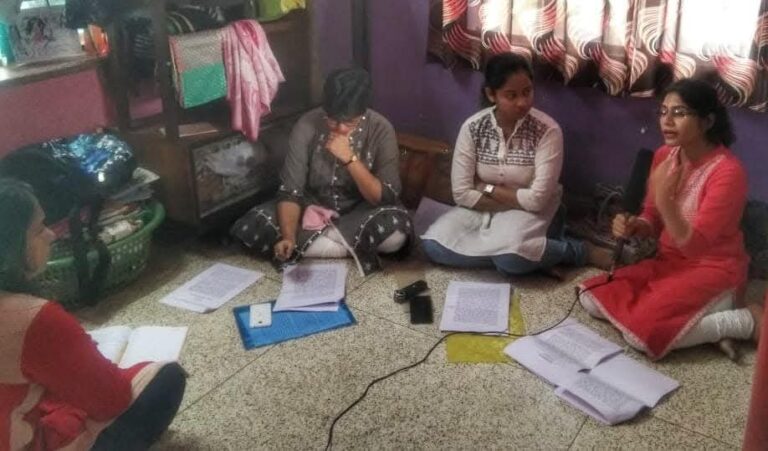
In Case 18/A, there is this woman who is living in an oppressive home where her husband indulges in some deviant behaviour that takes the form of illegal relationships with women outside marriage; subjecting the wife as well as their child to mental harassment and torture, leading to a lingering environment of quarrel and torture. From a common-sense or legal standpoint, this might seem largely like a case of domestic violence. But Activism is interpreting the case in a more specific, richer way. It treats the case not simply as a psychological or legal problem but as a functional problem of domestic violence and powerlessness. The problem, then, is less that the husband acts violently and unjustly than that in such a state the woman slowly loses control over her own life or choices or actions and future.
The case realizes that separation or legal action might ultimately be required. Yet, her financial dependence on husband and a lack of family support makes this decision difficult right now. If the problem is understood only in structural terms, activism therefore contends, then it seems nothing meaningful could be done until the exogenous conditions for separation are ripe. But if the problem is understood in functional terms, another dimension comes into view: that even under an oppressive structure, there remains a negotiation about whether she continues to lose control over her life or gradually begins to regain it.
This is where Activism’s comprehension diverges from a simply psychological reading. The issue is not just about the husband’s behavior, though that is serious and central. It is also in how the woman engages, interprets and responds now. She tends to think of the husband himself as the entire problem, therefore cannot see how also her own reactions and responses in relation to his behaviour are equally contributing towards prolonging or facilitating her suffering. Her fear, silence, secrecy, social withdrawal, lack of clear-cut plan to ensure eventual financial security deepen the problem before it even has a chance to exist; they boost her helplessness. As per the Activism lexicon, this is a case of weak responding aptitude and dysfunctionality.
Activism proposes that in order to remedy this, her functionality must slowly be augmented. Here, functionality does not just mean emotional strength. It means becoming more capable of serving a clear purpose well. She first needs clarity and steadiness about her goal. If her long-term goal is to regain control over her life and create the conditions for separation, then her responses to her husband must increasingly support that goal rather than contradict it. Second, she needs to find more effective and situation-sensitive ways to respond. That may involve holding your tongue, and it may involve speaking out; it depends on the situation. Third, she needs to strive for suitability, that is, for fitness relative to the goal she pursues. This encompasses cultivating self-respect, confidence, decision-making skills, financial independence, and practical preparedness.
Finally, Activism stresses engagement through alternative praxis and intervention. It is not enough just to understand the problem, if concrete engagement does not follow. She is encouraged to talk with trusted others about the abuse, as silence will only protect violence. She has to increase her physical space, as well, reintroducing family, friends and supportive groups into her life. Alongside this, earning engagement becomes crucial, not only for income, but for confidence, wider networking, and the gradual rebuilding of autonomy. In this way, the case moves from being trapped in domestic violence as suffering to actively struggling against powerlessness through more functional living.
Reference
Jha, S. (2018). Case 18A: Domestic Violence and Powerlessness (Unpublished Propositions). Kolkata, India: Activism Foundation for Social Research & Action.